
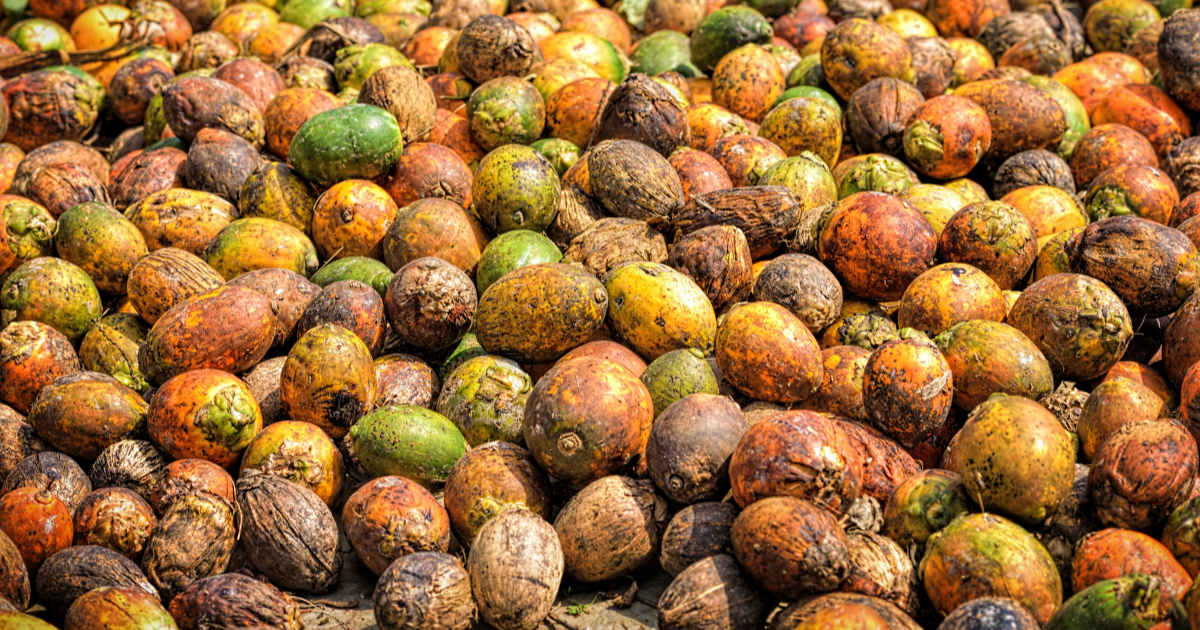
The tradition of consuming betel nut has been part of Indonesian culture for centuries. Across various regions, communities have long practiced chewing slices of betel nut mixed with lime, tobacco, cloves, gambier, and wrapped in betel leaves. This custom is deeply rooted in social and cultural rituals and is often associated with maintaining oral hygiene and strengthening social bonds. Beyond its traditional use, betel nut has evolved into a commodity with diverse economic value. Dried betel nut seeds are widely utilized as raw materials in several industries. In the manufacturing sector, extracts are used in cosmetic formulations, confectionery mixtures, and even as natural coloring agents for textiles and cotton. Its antioxidant content has also attracted attention in the pharmaceutical field. Betel nut derivatives are incorporated into various medicinal products, including formulations for digestive treatments, deworming solutions, mouthwash, and other health-related applications. In addition to domestic utilization, betel nut plays a significant role in Indonesia’s export performance. The commodity contributes to foreign exchange earnings and supports the livelihoods of farmers in multiple provinces. Indonesia has steadily strengthened its reputation in the international betel nut market, supported by favorable growing conditions and an established cultivation network. In July 2024, the Minister of Trade symbolically released an export shipment of 28 containers of betel nut from a company based in Muaro Jambi, Jambi Province. The shipment included eight containers bound for Saudi Arabia and twenty containers for Bangladesh, with a total export value of approximately USD 692,000. The event underscored Indonesia’s strong position in the global market. Indonesia is currently recognized as the world’s leading exporter of betel nut, supplying around 35 percent of global demand. Major destination markets include India, Saudi Arabia, Bangladesh, and Vietnam. Expanding shipments to these countries is considered a strategic effort to widen market access and reinforce Indonesia’s competitive standing. Jambi Province has become one of the central production hubs for betel nut in the country. The Ministry of Agriculture has designated Betara Jambi as a nationally recognized superior export-oriented variety. This development has provided added value for local farmers, particularly in Jambi, where the commodity has contributed significantly to regional income. In 2021 alone, the export value of betel nut from Jambi reached approximately IDR 1.7 trillion. The largest cultivation areas in Jambi are located in Tanjung Jabung Barat and Tanjung Jabung Timur regencies. Other provinces in Sumatra, including Lampung, Aceh, and Bengkulu, also contribute substantially to national production levels. This broad geographic base strengthens Indonesia’s supply capacity and supports consistent export volumes. Trade statistics reflect continued growth. Between January and May 2024, Indonesia’s betel nut exports reached USD 49.1 million. In 2023, the total export value stood at USD 127.39 million, with Iran, India, China, Bangladesh, and Malaysia ranking among the primary destinations. Global demand remains promising. In 2023, worldwide imports of betel nut were valued at approximately USD 358.7 million, with a positive growth trend of 39 percent over the previous five years. India, Iran, Bangladesh, the United Arab Emirates, and Vietnam are among the largest importing countries, reflecting sustained consumption patterns and industrial usage. To support continued export growth, the Ministry of Trade has implemented various strategies, including expanding international market access through Free Trade Agreements (FTA), Preferential Trade Agreements (PTA), and Comprehensive Economic Partnership Agreements (CEPA). Export promotion activities, such as participation in international trade exhibitions like Trade Expo Indonesia, further connect domestic producers with global buyers. From its deep cultural roots to its expanding global market presence, Indonesian betel nut illustrates how a traditional agricultural product can evolve into a significant driver of economic development. With strong production capacity, supportive policies, and growing international demand, the commodity is well-positioned to remain an important contributor to Indonesia’s export landscape.

Indonesia Strengthens Its Global Betel Nut Leadership with Major July Export Shipment
Indonesia continues to reinforce its position as the world’s leading exporter of betel nut following a significant shipment released in July 2024. The Minister of Trade, Zulkifli Hasan, symbolically inaugurated the export of 28 containers of betel nut from PT Best Star Indonesia at the company’s warehouse in Muaro Jambi, Jambi Province. The shipment included eight containers destined for Saudi Arabia and twenty containers for Bangladesh, with a combined export value of approximately USD 692,000, equivalent to around IDR 11.10 billion. The event highlighted not only the performance of one exporter but also Indonesia’s broader strength in the global betel nut trade. According to the Minister, Indonesia currently ranks as the number one exporter of betel nut worldwide, supplying roughly 35 percent of global demand. This achievement reflects years of coordinated efforts between farmers, exporters, and government institutions. He emphasized the importance of maintaining and strengthening this position by encouraging all stakeholders to remain committed to quality, competitiveness, and market expansion. The largest markets for Indonesian betel nut include India, Saudi Arabia, Bangladesh, and Vietnam. The July shipment to Saudi Arabia and Bangladesh was described as a strategic step to further expand Indonesia’s access to international markets. By sustaining consistent export volumes and strengthening trade relationships, Indonesia aims to secure long-term demand in these key destinations. Export performance data further illustrates the commodity’s growing importance. From January to May 2024, Indonesia’s betel nut exports reached USD 49.1 million. In 2023, total exports amounted to USD 127.39 million. The main destination countries last year were Iran, accounting for over 42 percent of exports, followed by India, China, Bangladesh, and Malaysia. These figures underline the commodity’s wide geographic reach and strong international demand. Global import data also indicates a promising outlook. In 2023, worldwide betel nut imports were valued at approximately USD 358.7 million. Over the five-year period from 2019 to 2023, global import demand grew by around 39 percent, reflecting a steady upward trend. India remains the largest importing country, followed by Iran, Bangladesh, the United Arab Emirates, and Vietnam. Betel nut is traditionally consumed in various cultural and social contexts across South Asia and Southeast Asia. Beyond direct consumption, the commodity is also used in value-added industries. Research and development have explored its potential applications in biomedical fields, including antioxidant and other derivative products, further expanding its economic significance. The Ministry of Trade has reiterated its commitment to supporting national export growth through multiple strategies. These include expanding market access via Free Trade Agreements (FTA), Preferential Trade Agreements (PTA), and Comprehensive Economic Partnership Agreements (CEPA). Such agreements function as important pathways to facilitate smoother trade flows and reduce barriers for Indonesian products. In addition, export promotion initiatives remain a key focus. International trade exhibitions, including Trade Expo Indonesia (TEI), provide platforms for Indonesian exporters to connect with global buyers. Through trade missions, business matching programs, and high-level diplomatic dialogues, the government continues to seek new opportunities for expanding Indonesia’s export footprint. The symbolic release of the July shipment reflects more than a single commercial transaction. It demonstrates Indonesia’s ongoing efforts to strengthen its global competitiveness in the agricultural sector, empower local farmers across producing regions such as Jambi, Lampung, and Bengkulu, and enhance the country’s reputation as a reliable supplier. With strong global demand, supportive trade policies, and coordinated stakeholder engagement, Indonesia’s betel nut industry remains well-positioned for sustained growth. Maintaining quality standards, expanding market access, and fostering innovation will be essential to preserving its leadership in the years ahead.

Jambi Strengthens Its Position in the Global Betel Nut Trade with 36 Ton Export to Bangladesh
The Province of Jambi has once again demonstrated its growing role in Indonesia’s agricultural export sector through the shipment of 36 tons of betel nut to Bangladesh. The export, valued at approximately IDR 1.3 billion, departed from Talang Duku Port in Muaro Jambi and reflects the region’s continued commitment to expanding its presence in international markets. The ceremonial release was attended by regional officials, including the Provincial Secretary of Jambi, who emphasized that the achievement represents more than a single shipment. According to him, the export highlights strong collaboration between the provincial government, private exporters, farmers, and related institutions. This coordinated effort has become an important driver in increasing export performance and strengthening the agricultural economy within the province. Jambi, particularly its eastern coastal region, is widely recognized as one of Indonesia’s major betel nut producing areas. Favorable climate conditions, fertile land, and an established network of farmers and collectors have positioned the province as one of the largest contributors to national betel nut production. Over the years, local businesses have developed international trade connections, enabling Jambi’s agricultural commodities to reach key overseas markets. Recent export data further supports the province’s positive trajectory. In August 2025, Jambi recorded a significant rise in export value compared to the previous month. The increase reflects stronger demand across several sectors, including agriculture, plantation-based industries, and processed commodities. While mining and industrial goods continue to dominate overall export contributions, agricultural products — particularly betel nut — remain an important component of regional trade performance. Within the agricultural sector, betel nut plays a meaningful role in sustaining rural livelihoods. Its contribution to export value may appear modest compared to large-scale industries, yet its social and economic impact is substantial. Thousands of farmers depend on this commodity as a primary source of income, and growing international demand has helped stabilize local market prices. The provincial government views export activities not merely as routine procedures but as opportunities to enhance value creation. Beyond increasing shipment volumes, there is a broader objective to improve processing standards, expand market access, and strengthen supply chain management. By doing so, the province aims to raise the added value of agricultural products and ensure long-term sustainability for farming communities. At the national level, the Ministry of Agriculture continues to facilitate market expansion through trade agreements, export promotion initiatives, and technical assistance. Global demand for betel nut remains promising, particularly from countries such as India, Iran, and Bangladesh. These markets maintain steady consumption driven by cultural traditions and established consumer bases. Support from quarantine authorities, port operators, customs offices, and statistical agencies also plays a crucial role in ensuring smooth export procedures. Compliance with phytosanitary standards and documentation requirements is essential to maintaining Indonesia’s reputation as a reliable supplier. Meanwhile, industry representatives note that agriculture holds strong commercial potential, not only for domestic food supply but also for export-oriented commodities. With appropriate technology adoption and improved management practices, betel nut cultivation and processing can generate stable and sustainable income streams. Opportunities extend beyond raw commodity trading to include seed development, post-harvest handling, and value-added processing. The recent 36-ton shipment to Bangladesh symbolizes both progress and potential. It reflects the collective effort of stakeholders working together to strengthen export performance while supporting farmer welfare. As international demand continues to evolve, Jambi is positioning itself to maintain competitiveness, enhance product standards, and contribute meaningfully to Indonesia’s broader economic growth. Through consistent collaboration, responsible production practices, and strategic market engagement, Jambi’s betel nut industry is expected to remain an important pillar in the province’s export landscape for years to come.

The Growing Export of Indonesia’s Coconut Derivative Products
Indonesia is one of the world’s largest coconut producers, creating strong potential for export of coconut derivative products. In recent years, demand for copra, semi husked coconut, and coconut shell charcoal has shown steady growth. Global demand for coconut-based products is influenced by industrial, food processing, and energy sectors. Coconut shell charcoal, for example, is widely used in activated carbon production and various industrial applications. Improved processing technology and better supply chain management have supported export expansion. Exporters continue to enhance quality control systems to meet international standards. Government support and trade agreements also contribute to increasing export opportunities. As global markets seek reliable agricultural supply sources, Indonesia remains well-positioned to expand its coconut derivative exports. Sustainable sourcing and responsible production practices are becoming increasingly important in maintaining competitiveness in international markets.

Regulatory Overview: Copra, Semi Husked Coconut, and Coconut Shell Charcoal
Coconut-derived products such as copra, semi husked coconut, and coconut shell charcoal are widely traded internationally. Each product category follows specific export and import regulations. Copra exports require compliance with quality standards related to dryness, aflatoxin levels, and contamination control. Semi husked coconut shipments must meet phytosanitary requirements and often undergo inspection to prevent pest transmission. Coconut shell charcoal, commonly used for industrial and household applications, may require additional safety documentation depending on destination country regulations. Packaging and labeling standards are particularly important for charcoal exports. Indonesian exporters must coordinate with agricultural and customs authorities to secure necessary certificates before shipment. Importing countries may also conduct inspections upon arrival. Adhering to regulatory frameworks ensures smooth trade operations and reduces risk of shipment rejection or delays.
Export and Import Regulations for Betel Nut
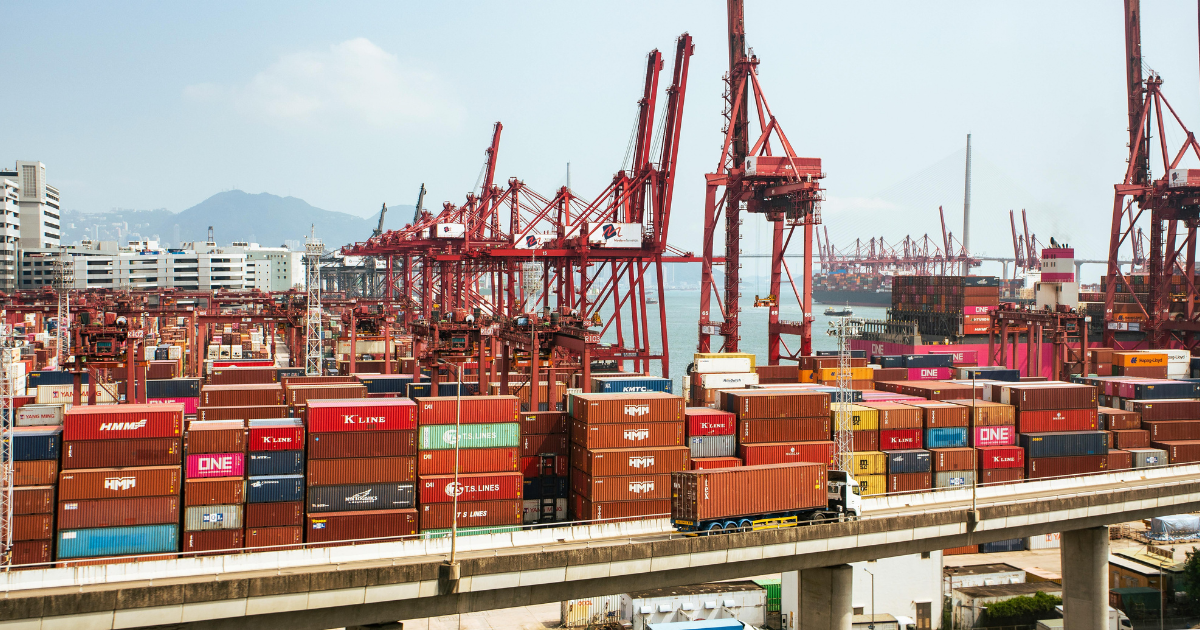
International trade of betel nut is subject to regulations designed to ensure food safety, plant health, and fair trade practices. In Indonesia, exporters must comply with national export requirements before shipment. Key documentation includes export permits, phytosanitary certificates, and customs declarations. The phytosanitary certificate confirms that the product is free from harmful pests and diseases. Importing countries may also require additional certifications depending on their domestic policies. Tariff classifications and import duties vary across countries. Some markets impose specific quality standards regarding moisture content and contamination levels. Exporters must stay updated on changes in import regulations to avoid shipment delays. Compliance with proper labeling, packaging, and documentation is essential. Failure to meet regulatory requirements can result in penalties, rejected shipments, or additional inspection costs. Maintaining regulatory awareness helps ensure smoother cross-border transactions and strengthens trade relationships between exporting and importing countries.

The Use of Betel Nut in Major Importing Countries
Betel nut consumption is deeply rooted in cultural traditions across several Asian countries. In major importing nations such as India, Bangladesh, Pakistan, and parts of Southeast Asia, betel nut plays a role in social customs and daily practices. In India, betel nut is commonly used in traditional chewing preparations, often combined with betel leaves and other ingredients. It is also associated with ceremonial and cultural events. Due to large domestic consumption, India remains one of the biggest importers of betel nut worldwide. Bangladesh and Pakistan also maintain consistent demand driven by cultural habits. In these markets, size, dryness level, and cleanliness are key quality considerations. Buyers typically require stable supply volumes and consistent grading standards. Aside from traditional use, betel nut is also utilized in certain processed consumer products. The demand pattern in importing countries may fluctuate based on seasonal factors, regulatory policies, and domestic production levels. Indonesia continues to serve these markets by providing export-grade betel nut that complies with required standards, supporting long-term trade relationships.

Exporting Betel Nut from Indonesia: Process and Market Overview
Indonesia has established itself as a reliable exporter of betel nut, supplying to markets across South Asia, Southeast Asia, and parts of the Middle East. The export process involves several regulated steps to ensure compliance with international trade standards. The journey begins with sourcing from farmers or production networks. After harvesting, the betel nut undergoes drying, sorting, and grading to meet buyer specifications. Moisture control is particularly important, as improper drying can affect quality during long-distance shipment. Before export, suppliers must prepare required documentation such as a commercial invoice, packing list, certificate of origin, and phytosanitary certificate issued by relevant authorities. These documents confirm that the product meets health and safety requirements of the importing country. Container loading and logistics coordination are also critical. Proper packaging ensures protection from humidity and contamination during transit. Exporters often work closely with freight forwarders and shipping lines to manage delivery schedules efficiently. Indonesia’s strategic geographic location and established port infrastructure support smooth international shipments. With growing global demand, exporters continue to enhance operational efficiency and quality assurance systems to maintain their competitiveness in international markets.

Understanding Betel Nut: Indonesia’s Valuable Agricultural Commodity
Betel nut, also known as Areca Nut, is one of Indonesia’s significant agricultural commodities with strong demand across international markets. Derived from the Areca catechu palm, betel nut has been cultivated for generations and plays an important economic role for farmers in several Indonesian regions. Indonesia is among the leading producers of betel nut globally, supported by favorable tropical climate conditions. The crop thrives in humid environments with consistent rainfall, making many parts of the country ideal for cultivation. Harvesting typically begins when the fruit reaches maturity, followed by drying and grading processes to meet market specifications. In international trade, betel nut is generally categorized into whole dried betel nut, split betel nut, and processed forms. Quality factors often include size uniformity, moisture content, cleanliness, and proper drying methods. Export-grade products must meet specific standards required by importing countries, including phytosanitary compliance and documentation. The global demand for betel nut remains stable due to its cultural and traditional uses in various regions. As a result, Indonesia continues to strengthen its supply chain systems, improve processing methods, and ensure export readiness to maintain competitiveness in the international market. With structured sourcing networks and quality control systems, Indonesian suppliers aim to deliver consistent volumes while maintaining product integrity from origin to shipment.

The Rising Dominance of Indonesian Coconut Shell Charcoal in Global Markets
Indonesia is rapidly strengthening its position as a major player in the “green industry” by unlocking the hidden potential of coconut shells. What was once considered simple agricultural waste has now transformed into a high-value export commodity. This positive trend is driven by skyrocketing global demand, turning coconut shell charcoal into a new star of Indonesia’s national trade balance. Impressive Export Growth and Global DemandAccording to recent data, the export performance of Indonesian coconut shell charcoal has shown an incredibly encouraging trajectory. In 2023 alone, the export value reached a staggering USD 400 million, marking a growth of more than 15 percent compared to the previous year. These figures reflect the massive reliance of the international market on Indonesian-made products. Major destinations such as China, Saudi Arabia, Japan, and Germany remain the primary buyers. The drivers behind this demand are diverse—ranging from the massive need for shisha fuel in the Middle East to the high demand for activated charcoal as a premium raw material in the global beauty and pharmaceutical industries. Local Production Strength and Technological InnovationAs home to the world’s largest coconut plantations, Indonesia possesses an unparalleled natural advantage. Production hubs across Sulawesi, Kalimantan, and Sumatra are continuously scaling up their capacities. Interestingly, local producers are no longer just chasing quantity; they are increasingly adopting eco-friendly carbonization technologies. This shift ensures that Indonesian products meet the strict sustainability standards required by European and North American markets. Reducing Imports through Domestic ExcellenceWhile Indonesia is a global export giant, certain specialized types of industrial charcoal were historically imported from neighboring countries like Malaysia or Thailand. However, this import trend is steadily declining. As domestic processing technology advances, local industries are now capable of producing high-specification charcoal that meets even the most technical requirements, effectively reducing dependence on foreign supplies. The Government’s Role in Expanding Global ReachThis success story is inseparable from the proactive support provided by the Indonesian government. Various incentives have been introduced to empower exporters, from streamlining licensing processes and improving logistics infrastructure to promoting local products at prestigious international trade fairs. The current focus remains on ensuring that every shipment leaving Indonesian ports adheres to the highest global quality standards. A Bright Future for the IndustryWith a combination of abundant natural resources and solid policy support, the future of the Indonesian coconut shell charcoal industry looks exceptionally bright. As long as producers remain consistent in maintaining quality and continue to innovate their production methods, Indonesia is predicted to dominate the global charcoal market for the long term.