
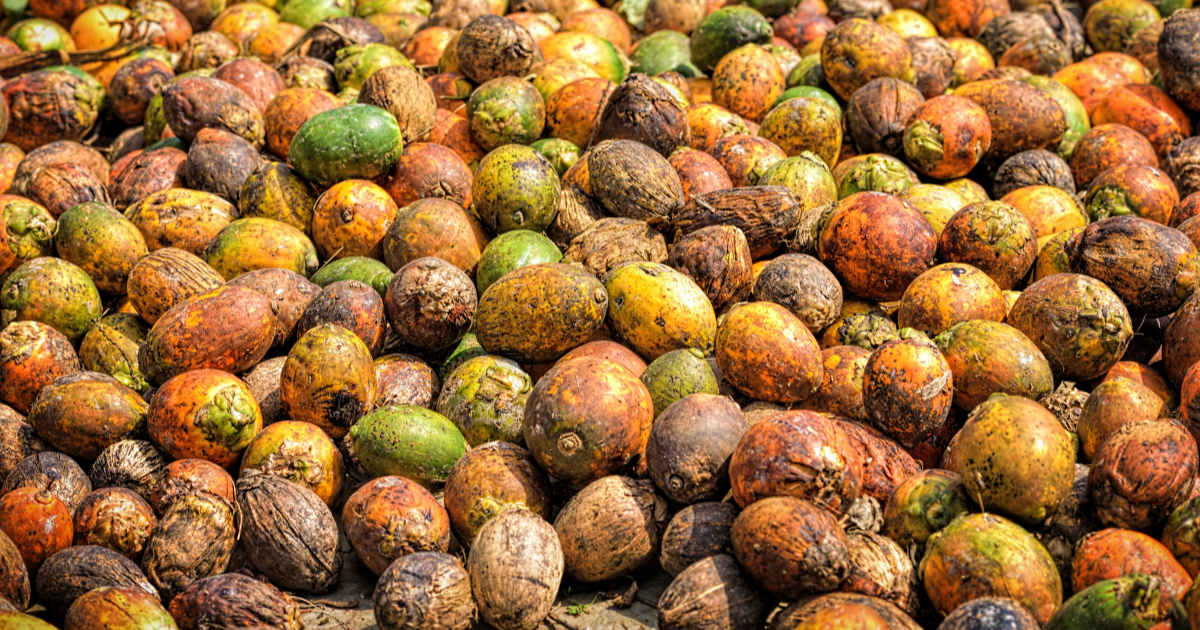
The tradition of consuming betel nut has been part of Indonesian culture for centuries. Across various regions, communities have long practiced chewing slices of betel nut mixed with lime, tobacco, cloves, gambier, and wrapped in betel leaves. This custom is deeply rooted in social and cultural rituals and is often associated with maintaining oral hygiene and strengthening social bonds.
Beyond its traditional use, betel nut has evolved into a commodity with diverse economic value. Dried betel nut seeds are widely utilized as raw materials in several industries. In the manufacturing sector, extracts are used in cosmetic formulations, confectionery mixtures, and even as natural coloring agents for textiles and cotton. Its antioxidant content has also attracted attention in the pharmaceutical field. Betel nut derivatives are incorporated into various medicinal products, including formulations for digestive treatments, deworming solutions, mouthwash, and other health-related applications.
In addition to domestic utilization, betel nut plays a significant role in Indonesia’s export performance. The commodity contributes to foreign exchange earnings and supports the livelihoods of farmers in multiple provinces. Indonesia has steadily strengthened its reputation in the international betel nut market, supported by favorable growing conditions and an established cultivation network.
In July 2024, the Minister of Trade symbolically released an export shipment of 28 containers of betel nut from a company based in Muaro Jambi, Jambi Province. The shipment included eight containers bound for Saudi Arabia and twenty containers for Bangladesh, with a total export value of approximately USD 692,000. The event underscored Indonesia’s strong position in the global market.
Indonesia is currently recognized as the world’s leading exporter of betel nut, supplying around 35 percent of global demand. Major destination markets include India, Saudi Arabia, Bangladesh, and Vietnam. Expanding shipments to these countries is considered a strategic effort to widen market access and reinforce Indonesia’s competitive standing.
Jambi Province has become one of the central production hubs for betel nut in the country. The Ministry of Agriculture has designated Betara Jambi as a nationally recognized superior export-oriented variety. This development has provided added value for local farmers, particularly in Jambi, where the commodity has contributed significantly to regional income. In 2021 alone, the export value of betel nut from Jambi reached approximately IDR 1.7 trillion.
The largest cultivation areas in Jambi are located in Tanjung Jabung Barat and Tanjung Jabung Timur regencies. Other provinces in Sumatra, including Lampung, Aceh, and Bengkulu, also contribute substantially to national production levels. This broad geographic base strengthens Indonesia’s supply capacity and supports consistent export volumes.
Trade statistics reflect continued growth. Between January and May 2024, Indonesia’s betel nut exports reached USD 49.1 million. In 2023, the total export value stood at USD 127.39 million, with Iran, India, China, Bangladesh, and Malaysia ranking among the primary destinations.
Global demand remains promising. In 2023, worldwide imports of betel nut were valued at approximately USD 358.7 million, with a positive growth trend of 39 percent over the previous five years. India, Iran, Bangladesh, the United Arab Emirates, and Vietnam are among the largest importing countries, reflecting sustained consumption patterns and industrial usage.
To support continued export growth, the Ministry of Trade has implemented various strategies, including expanding international market access through Free Trade Agreements (FTA), Preferential Trade Agreements (PTA), and Comprehensive Economic Partnership Agreements (CEPA). Export promotion activities, such as participation in international trade exhibitions like Trade Expo Indonesia, further connect domestic producers with global buyers.
From its deep cultural roots to its expanding global market presence, Indonesian betel nut illustrates how a traditional agricultural product can evolve into a significant driver of economic development. With strong production capacity, supportive policies, and growing international demand, the commodity is well-positioned to remain an important contributor to Indonesia’s export landscape.