
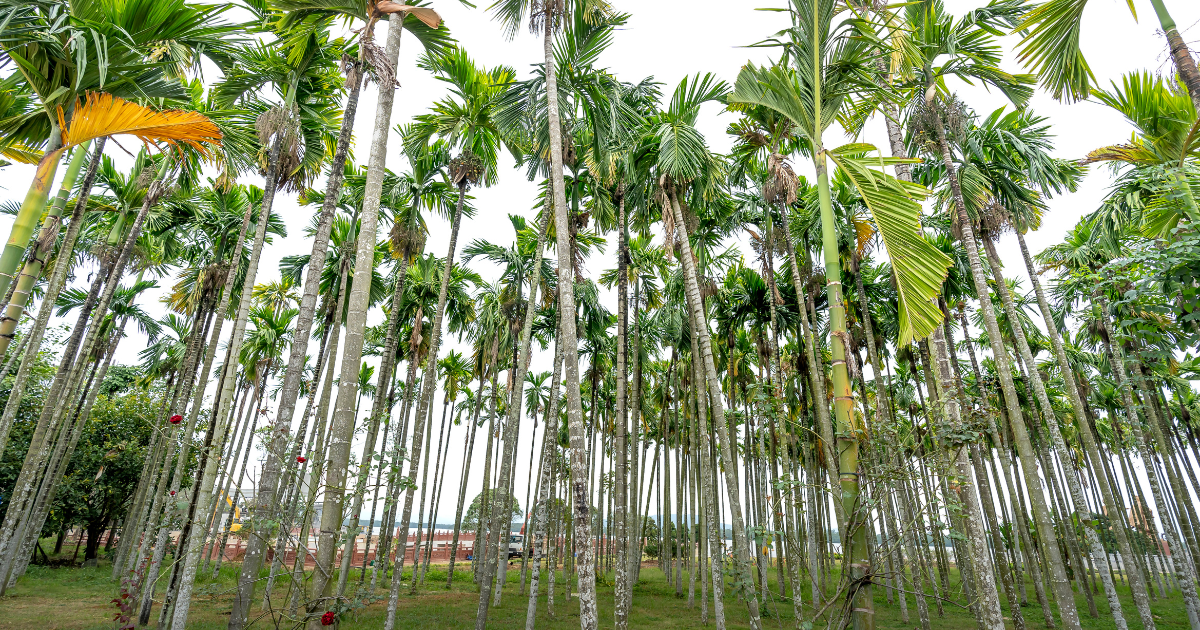
Betel nut remains a major agricultural commodity in Asia, with rising demand that defies expectations. Despite growing awareness of health considerations related to consumption, the betel nut market continues to expand — particularly in South and Southeast Asia.
Several factors contribute to this trend. First, betel nut is deeply embedded in cultural and social practices. In India, Bangladesh, and Myanmar, it is part of traditional hospitality and rituals. Second, the growing use of betel nut extracts in herbal medicine, cosmetics, and natural dyes has opened new industrial markets.
Moreover, the global shift toward plant-based and natural products has indirectly benefited betel nut producers. Manufacturers of herbal supplements and skincare products increasingly seek natural ingredients with traditional roots, and betel nut offers a range of potential applications.
Indonesia, as one of the largest suppliers, stands to gain from this expanding demand. However, to maximize potential, exporters must address sustainability and quality concerns. Establishing clear grading systems, ensuring chemical-free processing, and promoting traceable sourcing can increase buyer confidence.
In the years ahead, innovation in processing and diversification of product forms — such as betel nut powder or extract — could further strengthen the market. As long as consumer interest in natural, culturally significant products persists, the global demand for betel nut is likely to remain strong.