
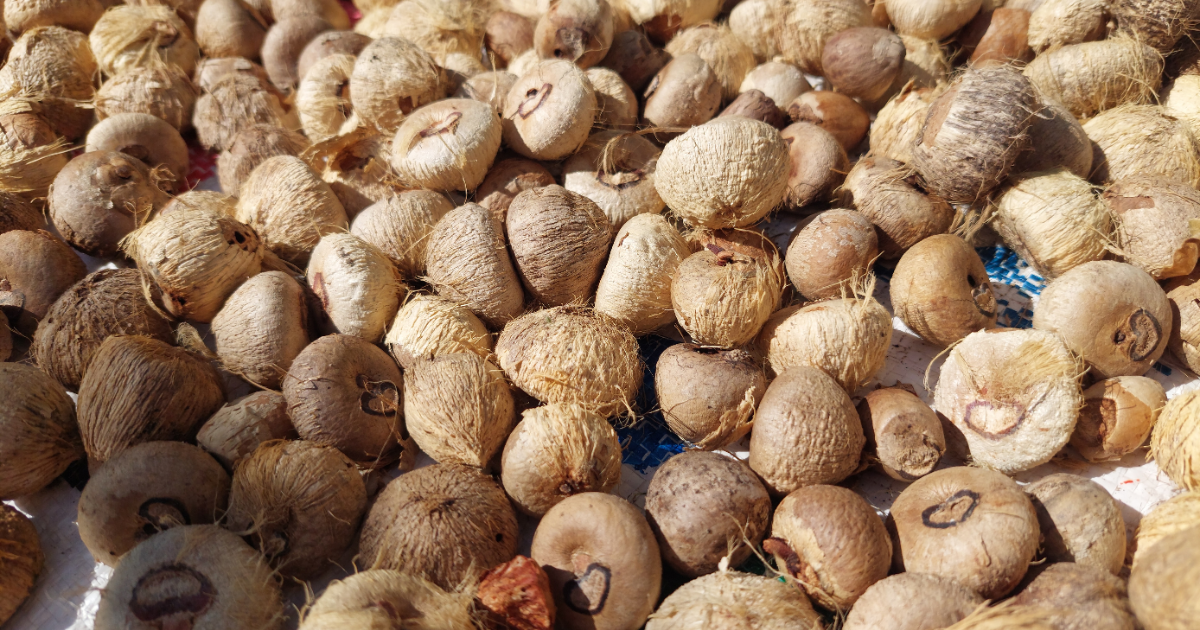
While the betel nut industry provides significant economic benefits, it also faces sustainability challenges that must be addressed to ensure long-term growth. These challenges range from environmental concerns to social and economic issues within local communities.
Betel nut cultivation, though less resource-intensive than many other cash crops, can still contribute to deforestation when expansion is not managed responsibly. In some regions, traditional forests are being converted into agricultural land, leading to biodiversity loss. Encouraging farmers to adopt sustainable agroforestry systems could mitigate these effects while maintaining productivity.
Another challenge lies in the economic vulnerability of smallholder farmers. Many rely heavily on fluctuating market prices without access to financial support or cooperative systems. Providing training, forming farmer cooperatives, and ensuring fair trade practices can improve their income stability.
From an environmental perspective, better post-harvest processing — including solar drying and organic pest control — can reduce the industry’s ecological footprint. Government agencies and exporters can collaborate to introduce certifications that promote sustainable sourcing and processing.
By aligning with sustainability standards, Indonesia can differentiate its betel nut products in global markets that increasingly value traceability and eco-friendly production. Such steps will help secure not just short-term profits, but a sustainable future for the nation’s betel nut industry.