
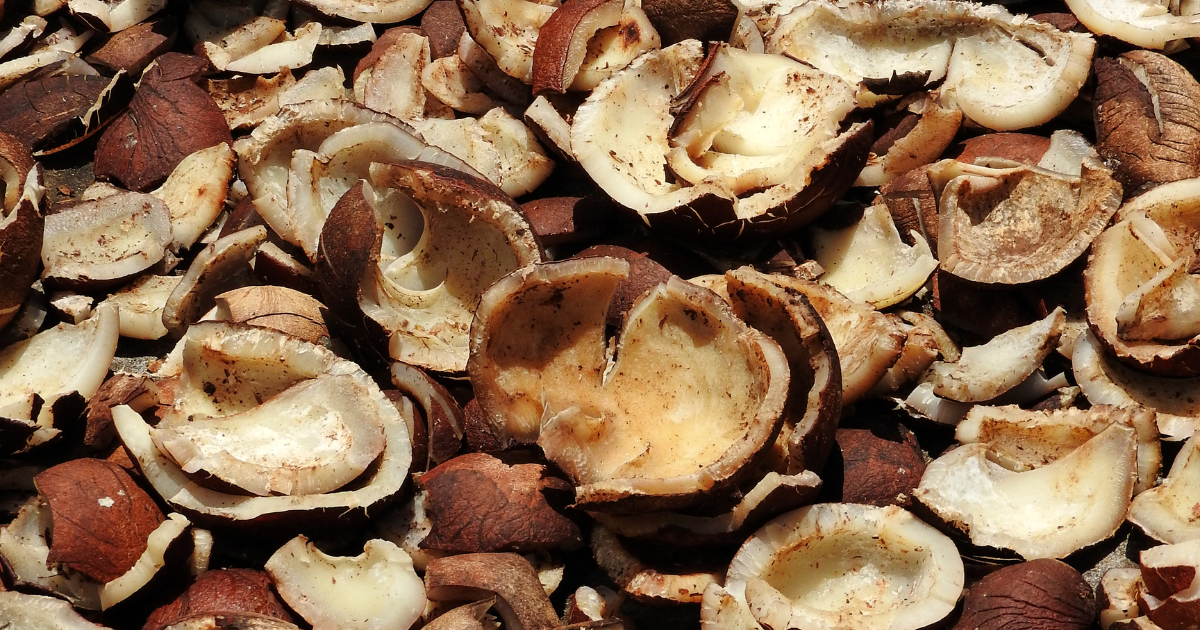
Copra refers to dried coconut meat and serves as a key intermediate material in coconut processing. The drying process significantly reduces moisture content, allowing copra to be stored and processed efficiently while preserving its oil-bearing properties. The quality of copra is influenced by drying methods, handling, and coconut maturity. Proper drying helps prevent mold growth and maintains stable oil content, which is essential for downstream processing. Variations in color and texture often reflect differences in processing conditions rather than raw material quality alone. Copra is primarily valued for its oil content, but its role extends beyond oil extraction. Residual materials from copra processing can be utilized further, contributing to efficient resource use. This layered utilization highlights how copra fits into broader coconut-based value chains. From a sustainability perspective, copra production relies on mature coconuts that are already part of existing agricultural systems. This minimizes additional environmental impact and supports full utilization of harvested crops. As a traditional yet relevant material, copra continues to demonstrate how simple processing techniques can produce stable, versatile raw materials with wide-ranging applications.

The Functional Power and Resilience of Coconut Husk
Coconut husk, commonly referred to as husk coconut, is increasingly recognized for its functional properties rather than its origin as agricultural residue. The fibrous outer layer of the coconut contains a complex structure of lignin and cellulose, giving it strength, flexibility, and resistance to moisture. One of the key advantages of coconut husk is its durability in humid and wet environments. Unlike many natural fibers, coconut fiber does not decompose quickly when exposed to moisture. This characteristic allows it to perform well in long-term applications, particularly where exposure to water or varying climates is unavoidable. The natural resilience of coconut husk makes it suitable for a wide range of uses, from erosion control and soil stabilization to fiber-based products. In agricultural contexts, coconut husk materials are valued for their ability to retain moisture while still allowing air circulation. This balance supports healthier soil conditions and improved plant root development. Environmentally, coconut husk aligns with the growing demand for biodegradable and low-impact materials. As it decomposes naturally over time, it does not leave harmful residues in the environment. This has positioned coconut husk as an alternative to synthetic fibers in applications where environmental impact is a consideration. With its combination of strength, flexibility, and environmental compatibility, coconut husk demonstrates how natural fibers can deliver performance without relying on artificial processing. Its value lies not only in availability, but in the functional advantages inherent in its natural structure.
Quality and Sustainability in Indonesia’s Betel Nut Trade
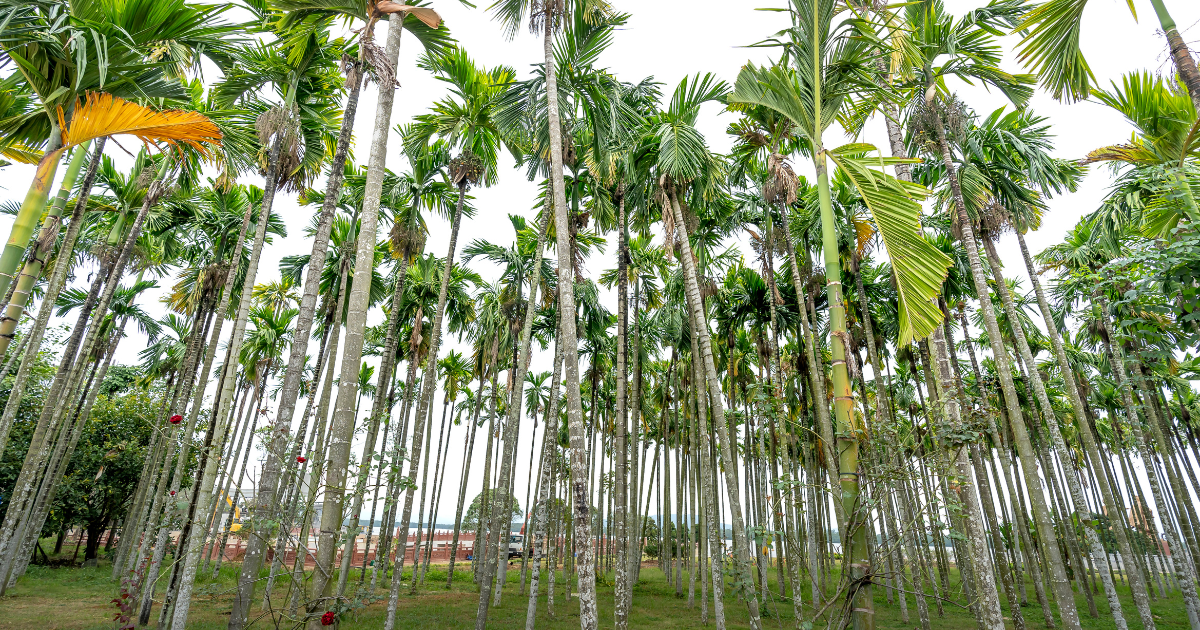
Betel nut remains a major agricultural commodity in Asia, with rising demand that defies expectations. Despite growing awareness of health considerations related to consumption, the betel nut market continues to expand — particularly in South and Southeast Asia. Several factors contribute to this trend. First, betel nut is deeply embedded in cultural and social practices. In India, Bangladesh, and Myanmar, it is part of traditional hospitality and rituals. Second, the growing use of betel nut extracts in herbal medicine, cosmetics, and natural dyes has opened new industrial markets. Moreover, the global shift toward plant-based and natural products has indirectly benefited betel nut producers. Manufacturers of herbal supplements and skincare products increasingly seek natural ingredients with traditional roots, and betel nut offers a range of potential applications. Indonesia, as one of the largest suppliers, stands to gain from this expanding demand. However, to maximize potential, exporters must address sustainability and quality concerns. Establishing clear grading systems, ensuring chemical-free processing, and promoting traceable sourcing can increase buyer confidence. In the years ahead, innovation in processing and diversification of product forms — such as betel nut powder or extract — could further strengthen the market. As long as consumer interest in natural, culturally significant products persists, the global demand for betel nut is likely to remain strong.

The Rise of Indonesia’s Betel Nut Exports
Long before becoming one of Indonesia’s most promising agricultural exports, the areca nut—locally known as pinang—was part of everyday life across the archipelago. Chewing betel nut wrapped in betel leaf (sirih pinang) once symbolized hospitality and tradition, shared during ceremonies and social gatherings. Today, that same nut has evolved into a product with global demand and multimillion-dollar export value. From Ancient Habit to Modern Commodity Traditionally, the areca nut was prized for its energizing properties and cultural symbolism. Yet as global industries began discovering its broader uses, pinang took on a new identity.Its dried kernel is now used as a natural dye in the textile industry, an ingredient in herbal medicine, and even a raw material in cosmetic formulations. Scientific research has shown that areca nuts contain antioxidants and bioactive compounds that make them appealing to pharmaceutical and food manufacturers. This transformation—from a symbol of tradition to a valuable commercial good—illustrates Indonesia’s strength in turning local culture into economic potential. Indonesia: A Global Powerhouse in Areca Nut Exports Indonesia currently holds one of the top positions in the global areca nut trade, contributing roughly 35 percent of worldwide exports. Demand comes primarily from South and East Asia, where the nut is used in traditional chewing blends and in industrial applications. Between January and May 2024, Indonesia recorded areca nut exports worth USD 49.1 million. For the full year of 2023, total export value reached USD 127.39 million, reflecting steady growth.In July 2024, the Minister of Trade flagged off a symbolic shipment of 28 containers—comprising eight bound for Saudi Arabia and twenty for Bangladesh—valued at around USD 692,000 (≈ Rp 11.1 billion). These shipments represent more than trade—they highlight Indonesia’s growing reputation as a reliable supplier of agricultural commodities that meet international quality standards. Where Indonesian Areca Nuts Go According to trade data, the majority of Indonesia’s areca nut exports are destined for: This distribution shows a strong and diversified demand base. Global import value for areca nuts reached USD 358.7 million in 2023, up nearly 39% from 2019—proof that the international market continues to expand rapidly. Jambi’s ‘Betara’ Areca Nut: Indonesia’s Pride Among Indonesia’s major producing regions, Jambi Province stands out. The province is home to the Betara variety, officially recognized as a superior national cultivar.Jambi’s fertile soil and tropical climate create the ideal environment for producing dense, high-oil-content areca nuts that are highly sought after by international buyers. Production centers such as Tanjung Jabung Barat and Tanjung Jabung Timur are leading the charge, supported by other provinces including Aceh, Lampung, and Bengkulu.Local farmers have adopted better cultivation and drying techniques, supported by government programs and trade partnerships that help standardize quality for export markets. The Growing Economic Impact Behind the impressive numbers lies a story of rural empowerment. For many farming communities, especially in Jambi, areca cultivation provides stable income and employment opportunities.Exporters are now focusing on building traceability systems and ensuring product consistency to meet the expectations of global importers. As Indonesia expands its agricultural trade networks, Saudi Arabia and Bangladesh are being eyed as emerging destinations with strong long-term potential. Trade authorities are also exploring new partnerships in Africa and the Middle East, where the demand for processed areca nut products continues to rise. Looking Ahead Indonesia’s success with areca nut exports reflects more than just trade growth—it represents the evolution of a cultural heritage into a sustainable, high-value industry.From the traditional sirih pinang ritual to the modern export containers bound for foreign ports, the journey of the areca nut mirrors Indonesia’s broader progress: resourceful, adaptive, and globally connected. If nurtured with continued investment in processing technology, branding, and market diversification, the humble areca nut could soon become one of Indonesia’s next flagship commodities—bridging the past and the future of the nation’s agricultural excellence.
Sustainability in Indonesia’s Betel Nut Industry
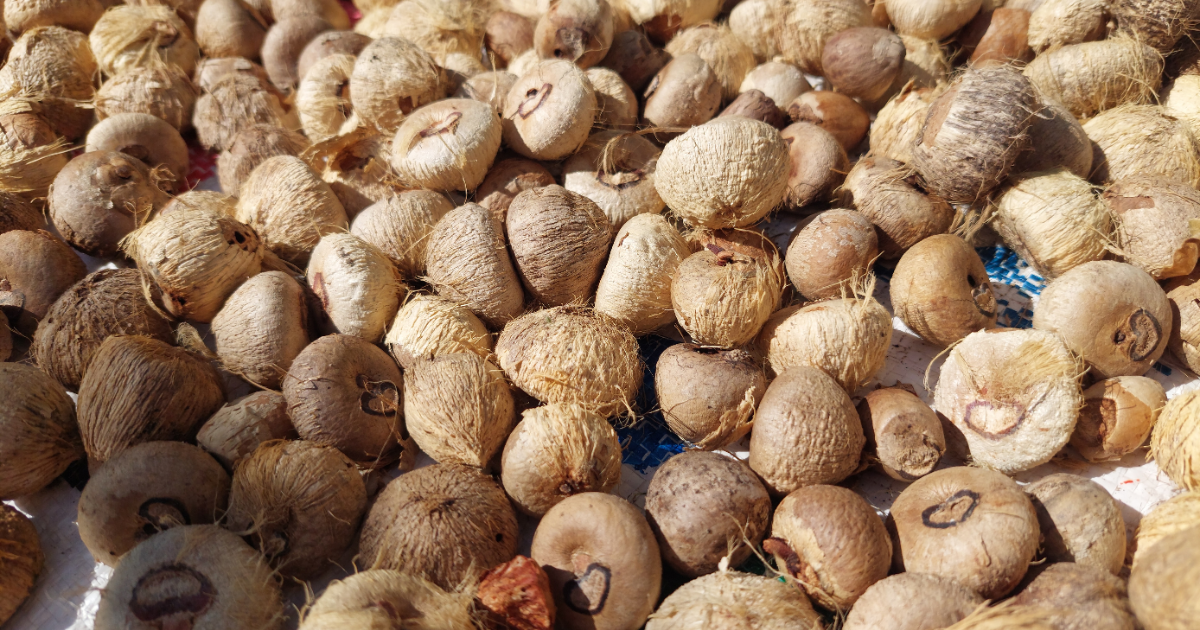
While the betel nut industry provides significant economic benefits, it also faces sustainability challenges that must be addressed to ensure long-term growth. These challenges range from environmental concerns to social and economic issues within local communities. Betel nut cultivation, though less resource-intensive than many other cash crops, can still contribute to deforestation when expansion is not managed responsibly. In some regions, traditional forests are being converted into agricultural land, leading to biodiversity loss. Encouraging farmers to adopt sustainable agroforestry systems could mitigate these effects while maintaining productivity. Another challenge lies in the economic vulnerability of smallholder farmers. Many rely heavily on fluctuating market prices without access to financial support or cooperative systems. Providing training, forming farmer cooperatives, and ensuring fair trade practices can improve their income stability. From an environmental perspective, better post-harvest processing — including solar drying and organic pest control — can reduce the industry’s ecological footprint. Government agencies and exporters can collaborate to introduce certifications that promote sustainable sourcing and processing. By aligning with sustainability standards, Indonesia can differentiate its betel nut products in global markets that increasingly value traceability and eco-friendly production. Such steps will help secure not just short-term profits, but a sustainable future for the nation’s betel nut industry.